

By Yaakov Lappin
In recent days, Iran and its flagship proxy, Hezbollah, driven by a fundamentalist jihadist ideology and a desire to punish Israel for its military gains, attempted to force a new deterrence equation upon Jerusalem.
Seeking to exploit perceived vulnerabilities in the American-Israeli alliance, Tehran sought to shield Hezbollah from further Israeli dismantlement. Ultimately, Israel rejected this extortion, defying pressure from the Trump administration and implemented direct kinetic strikes on Iranian soil, targeting recently reconstituted Iranian air defenses, and a petrochemical site that was creating raw materials for the Iranian missile program.
In doing so, Jerusalem reestablished its strategic independence, signaling to the region that its existential security interests supersede diplomatic dictation.
The current escalation is rooted in the systematic degradation of Hezbollah. Established in the 1980s as the premier extension of the Iranian Islamic Revolution, Hezbollah was designed to be part of Iran's proxy program of encircling Israel with heavily armed terror forces and transform Lebanon into an Iranian fiefdom.
It was Hezbollah that originally hatched the blueprint for invading the Galilee region of northern Israel to commit massacres, a plan Hamas later copied on October 7, 2023, in southern Israel.
Today, Hezbollah (like Hamas) is a shadow of its former self. Its leadership and the vast majority of its firepower have been eliminated. The Israel Defense Forces is establishing a large security buffer zone in southern Lebanon, Hezbollah's historic heartland.
Consequently, hundreds of thousands of Lebanese Shiites - Hezbollah's civilian base and human shields - have been evacuated. The shadow state Iran meticulously built is being disassembled piece by piece. With Hamas effectively ineffective outside of Gaza, Hezbollah remains Iran's sole major asset, and it is on the ropes.
Witnessing the imminent collapse of its proxy, the Iranian leadership sought to dictate a new formula to Jerusalem. Iran's ultimatum was clear: if the IDF attacked Dahiya, the sprawling southern Beirut district that serves as a central Hezbollah stronghold and command center, Iran would launch direct missile strikes against Israel. Iran acted with profound overconfidence. Having previously fired upon moderate Sunni neighbors in the Gulf, including Bahrain, Saudi Arabia, and the Emiratis following the so-called April 8 ceasefire, with impunity, Tehran assumed it could run a similar extortion racket against Israel. Jerusalem, however, established its own counter-equation: if Hezbollah fired rockets, mortars, or drones at northern Israeli communities, the IDF would strike Dahiya.
On June 5, Hezbollah tested this red line. Israel immediately responded by striking a small Hezbollah headquarters in Dahiya. Making good on its threat, Iran launched approximately 30 ballistic missiles in multiple waves, supplemented by two missiles from their Houthi proxies in Yemen. Virtually all projectiles were successfully intercepted. Following the interception, Israel introduced a paradigm-shifting equation: direct Iranian fire would be met with direct Israeli strikes on Iran. No Gulf state currently possesses the capability or the backing to adopt such an independent posture.
This decision precipitated a direct defiance of Washington. President Trump publicly issued a 'Don't attack' message demanding compliance as a price tag for US coalition support during the earlier February-to-April Operation Roaring Lion.
While Prime Minister Benjamin Netanyahu had previously held back out of alliance obligations, absorbing 30 ballistic missiles without retaliation constitutes a suicidal posture in the unforgiving jungle of the Middle East. Backed firmly by the defense establishment, Netanyahu delivered a definitive rejection to the American request. Israel is not the fifty-first state; yielding to unprovoked ballistic missile fire invites catastrophic regional aggression.
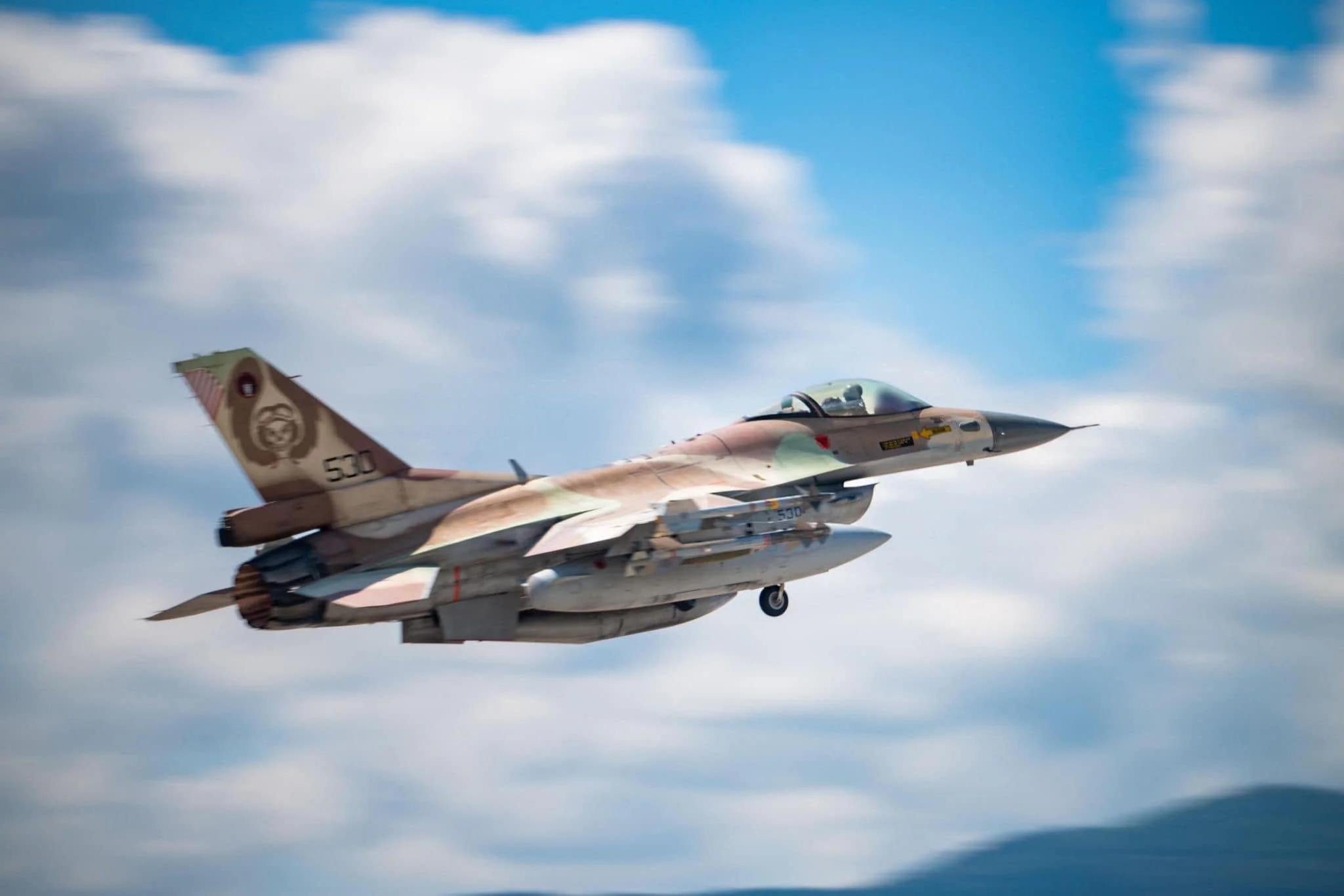
Executing its newly declared equation, dozens of Israeli Air Force fighter jets penetrated Iranian airspace, systematically destroying air defense batteries that Tehran had only recently begun to reconstitute. The IAF then struck a petrochemical facility in southwest Iran, directly degrading the raw materials supply chain for Iran's missile program. Realizing its critical strategic infrastructure was entirely exposed and indefensible, and seeing Israel's aerial and intelligence superiority, Iran hit the brakes.
Tehran agreed to cease attacks, and a request from Trump prompted Israel to reportedly halt further planned strikes. While it may be convenient for the Trump administration to portray Israel as a Rottweiler on a leash to pressure Iran into a broader deal, the reality reflects a genuine American attempt to avert wider regional war.
Iranian generals subsequently claimed they had successfully forced their equation upon Israel, declaring an end to IDF strikes in Lebanon. Within an hour of that statement, Israel launched multiple kinetic strikes against Hezbollah targets in southern Lebanon, laying waste to Tehran's narrative. Ultimately, Israel broadcasted a clear message to allies, foes, and neutral parties alike: Jerusalem will autonomously set the security equations necessary to guarantee its survival. Israel cannot be dictated to on matters of existential national security.
Photo Credit: Israel Air Defense
Yaakov Lappin is an In-House Analyst at The MirYam Institute and an Israel-based military affairs correspondent and analyst. Read full bio here.